
When it comes to customizing mouse pads, two of the most popular printing methods are heat press (sublimation) and screen printing. Each technique offers unique benefits and is suited to different types of designs, quantities, and business needs. If you're looking to start a mouse pad business or simply want to understand the differences, this blog will break down the pros and cons of both methods to help you choose the right one.
Heat Press (Sublimation Printing)
Heat press, often used in sublimation printing, is a method where heat and pressure are applied to transfer dye onto a surface — in this case, the fabric of the mouse pad.
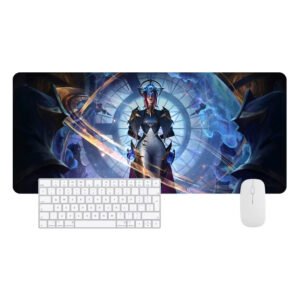
How It Works:
- A design is first printed onto a special sublimation paper using sublimation ink.
- The paper is placed on the mouse pad.
- A heat press machine applies high temperature and pressure, turning the ink into gas which bonds with the fabric.
Pros:
- High-Quality, Full-Color Designs: Sublimation allows for vibrant, photo-quality images with smooth gradients and fine details.
- Durability: Since the ink becomes part of the fabric, it won’t crack, peel, or fade over time.
- No Texture: The design feels smooth and natural to the touch, making it ideal for mouse movement.
Great for Small Batches or One-Offs: Perfect for personalized or made-to-order items.
Cons:
- Material Limitations: Sublimation only works on polyester or polymer-coated surfaces.
- Initial Equipment Cost: Heat press machines and sublimation printers can be pricey upfront.
- Not Ideal for Dark Surfaces: Sublimation works best on white or light-colored materials.
Screen Printing
Screen printing is a traditional technique where ink is pushed through a mesh stencil (or screen) onto the surface of the mouse pad.
How It Works:
-
A stencil of the design is created on a screen.
-
Ink is applied and pressed through the screen onto the mouse pad surface.
-
Each color requires its own screen and layer.
Pros:
Cost-Effective for Large Runs: Screen printing is ideal for bulk orders due to its low cost per unit at scale.
Bold, Solid Colors: It produces vibrant, opaque colors that stand out well on both light and dark materials.
Versatile Materials: Works on various surfaces, including rubber, fabric, and plastic.Cons:
Limited Detail and Colors: Not suitable for complex or photo-realistic images.
Setup Time and Cost: Each color requires its own setup, making it less efficient for small orders.
Ink Texture: Designs may have a slightly raised feel, which can affect mouse movement.Which One Should You Choose?
-
Choose heat press (sublimation) if you:
-
Offer customized or photo-quality designs
-
Focus on small batches or personalized orders
-
Want a smooth, long-lasting finish
-
Choose screen printing if you:
-
Produce large quantities of the same design
-
Use bold, simple graphics or logos
-
Want a cost-effective method for bulk printing
Final Thoughts
Understanding the differences between heat press and screen printing can help you make smarter decisions when producing mouse pads. Each method has unique strengths, and the best choice depends on your design, budget, and business goals. Whether you prioritize detail or volume, there's a printing technique that fits your needs.

