
In the age of high-performance computing and competitive gaming, the humble mouse pad has evolved from a simple square of foam to a sophisticated accessory. Large mouse pads — often called desk mats — have become essential for gamers, designers, and professionals who demand both comfort and control. But have you ever wondered how these large mouse pads are made? Let’s take a behind-the-scenes look into the bustling world of a large mouse pad factory, where innovation and efficiency come together.
The Rise of Large Mouse Pads
Gone are the days of small, square mouse pads. Today’s users want expansive surfaces that accommodate not just the mouse, but the keyboard, smartphone, and even a coffee mug. This growing demand has led to the rise of specialized factories that focus solely on producing large-format mouse pads in bulk.
These factories cater to a wide range of clients — from gaming brands and eSports teams to office supply companies and promotional product vendors.
Step 1: Material Selection
The first step in the manufacturing process is selecting high-quality materials. Most large mouse pads consist of three essential layers:
- Top Surface: Usually made from finely woven fabric (like polyester or microfiber), ensuring smooth and precise mouse movement.
- Core Layer: A layer of soft foam or rubber that provides cushioning and comfort.
- Base Layer: Often rubberized or silicone-based to prevent slipping on the desk.
Factories source these materials in large rolls, which are then cut and layered using automated machinery.
Step 2: Precision Cutting and Shaping
For consistency, the mouse pads are cut using high-precision CNC (computer numerical control) cutters or die-cutting machines. These machines ensure that every pad — whether it's 800x300 mm or a full desk-sized 900x400 mm — is cut to exact specifications with smooth, uniform edges.
Some factories also offer custom shaping, allowing clients to create unique pad silhouettes, such as circular or extended L-shapes to fit specific desk setups.

Step 3: Printing and Branding
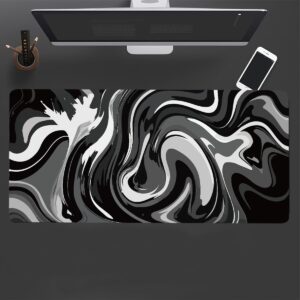
One of the most exciting parts of the process is printing. Using dye-sublimation or UV printing techniques, factories can transfer high-resolution graphics, logos, or artwork directly onto the fabric surface.
This step is crucial for companies wanting to brand their mouse pads with custom logos, game artwork, or promotional designs. The printing must be color-accurate, fade-resistant, and durable enough to withstand years of use.
Step 4: Edge Stitching and Finishing
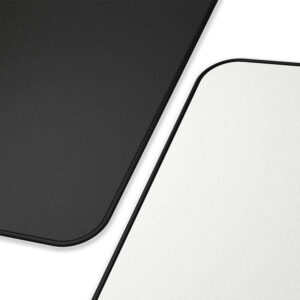
To extend the lifespan of large mouse pads, most factories use a technique called edge stitching. This involves sewing a durable thread around the perimeter of the pad, preventing the layers from separating or fraying over time.
This step is often done by semi-automated machines, ensuring tight and consistent stitching across thousands of units.
Step 5: Quality Control and Packaging
Before shipping, every mouse pad goes through a stringent quality control process. Pads are inspected for defects in printing, stitching, and sizing. Once approved, they are packaged — often rolled or flat-packed — and boxed in bulk for distribution.
Final Thoughts
A large mouse pad may seem like a simple product, but producing it at scale requires attention to detail, advanced machinery, and a commitment to quality. From material selection to precision printing and edge stitching, a large mouse pad factory is a perfect example of modern manufacturing meeting everyday usability.
So next time your mouse glides effortlessly across your desk mat, remember — it’s the result of an intricate, well-oiled production process designed to enhance how you work and play.

