
In the world of computer peripherals, the humble mouse pad often gets overlooked. Yet, for gamers, graphic designers, and office professionals alike, a high-quality mouse pad can significantly improve precision, comfort, and performance. One of the most important aspects of a mouse pad—particularly when considering mouse pad rolls or bulk material—is the material it’s made from. If you're in the market for a custom mouse pad or looking to create your own branded merchandise, understanding mouse pad roll material is essential.
What Is Mouse Pad Roll Material?
Mouse pad roll material typically refers to large sheets or rolls of base material used to manufacture multiple mouse pads. These rolls can be cut, printed on, and customized to meet specific needs. They allow for flexibility in size and design, making them ideal for businesses producing mouse pads in bulk or for individuals seeking custom solutions.
Common Materials Used in Mouse Pad Rolls
There are several types of materials commonly used in mouse pad rolls, each with its own set of advantages:
1. Rubber Base (Neoprene or Natural Rubber)
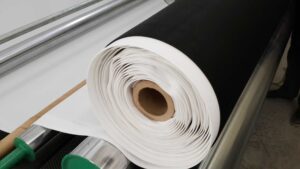
Rubber-backed mouse pads are by far the most popular. These materials provide excellent grip on desk surfaces, preventing unwanted movement during intense gaming sessions or long workdays. Neoprene is a synthetic rubber that offers durability and resistance to moisture, while natural rubber is eco-friendlier and provides a softer feel.
2. Fabric Surface (Polyester or Lycra)
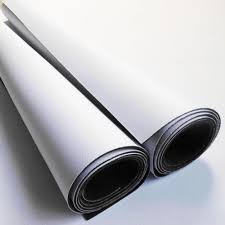
The top surface of a mouse pad roll is usually a smooth fabric like polyester or Lycra. These materials are ideal for optical and laser mice, allowing for fast and accurate tracking. Polyester is more common due to its affordability and printability, while Lycra offers a silkier feel and slightly more resistance for precise control.
3. Hard Surface Options (PVC or Plastic Laminates)
Though less common in roll form, some mouse pad materials use hard plastic or PVC for a rigid surface. These are more often used in promotional mouse pads or specialized gaming mats where speed is a priority. However, they’re not as flexible or comfortable as fabric-covered rubber pads.
Benefits of Using Mouse Pad Rolls
Mouse pad rolls offer several advantages, particularly for businesses and creative professionals:
- Customization: They allow for complete design freedom. Logos, artwork, and brand colors can be printed across the entire surface.
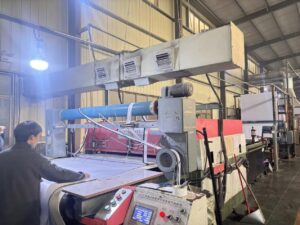
- Bulk Production: Ideal for large-scale manufacturing or promotional campaigns, they make producing multiple pads efficient and cost-effective.
- Versatility: Rolls can be cut into any shape or size, from small branded pads to oversized desk mats.
- Durability: High-quality roll material ensures the mouse pad can withstand daily use without fraying or slipping.
Conclusion
Choosing the right mouse pad roll material can make a significant difference in the final product's quality, performance, and feel. Whether you're creating a line of gaming mouse pads or designing custom office accessories, understanding the characteristics of different materials—especially the combination of rubber base and fabric surface—can help you make informed decisions. With the right materials, your mouse pad won’t just be functional; it will be a tool that enhances the user’s overall experience.

