
Step into a mouse pad factory and what looks like a simple desk accessory reveals a surprising amount of engineering, material science, and quality control. From the rubber base that keeps a pad from sliding to the cloth or polymer surface that determines tracking precision, every component is chosen and processed to meet performance and durability goals.
Materials: the building blocks
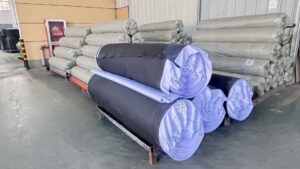
Most mouse pads combine two main parts: a base that provides grip and cushioning, and a top surface that affects mouse sensor performance and comfort.
- Base materials: Natural rubber and synthetic neoprene are common choices. Natural rubber offers excellent anti-slip properties and a pleasant density; neoprene is resilient, water-resistant, and resists compression over time. Low-cost pads sometimes use EVA foam for a lighter, less expensive base.
-
Top surfaces: Microwoven polyester or nylon cloth is widely used because it balances smooth gliding with precise optical/laser tracking. Hard-surface pads use textured plastic (polycarbonate, ABS) or aluminum for fast, consistent motion preferred by gamers. Hybrid designs may add a thin polymer coating (PU or silicone) for enhanced durability and water resistance.
-
Edges and reinforcement: Many cloth pads are stitched or have heat-sealed edges to prevent fraying. Some high-end pads use anti-fray fabric bindings or laminated edges.
-
Printing and coatings: Sublimation printing embeds artwork into the fabric, producing vivid, durable prints. UV printing is used for hard-surface pads. Some surfaces receive anti-slip coatings, hydrophobic finishes, or anti-bacterial treatments depending on the product positioning.
Manufacturing: from sheet to pad
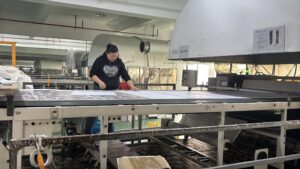
A typical production line includes these core steps:
1.Material preparation: Rubber, foam, cloth, or hard-surface sheets are inspected and cut to blanks. For cloth pads, the fabric often arrives in rolls pre-treated to ensure even dye uptake and surface texture.
2.Printing and surface treatment: Artwork for cloth pads is usually printed via dye-sublimation: ink is transferred into the textile under heat and pressure, delivering long-lasting color and a soft feel. Hard pads receive UV-cured prints or laser etching. Surface coatings (water repellent, anti-fray adhesives) are applied as needed.
3.Bonding and lamination: For stitched or stitched-edge pads, the cloth is adhered to the rubber base using pressure-sensitive adhesives or heat lamination. Hard pads are bonded to foam cores or backing plates with industrial adhesives.
4.Cutting and finishing: Precision die-cutting or CNC cutting yields exact pad shapes and sizes—standard rectangles, wrist-rest designs, or gaming-specific large mats. Edges are stitched, heat-sealed, or milled to prevent peeling. Perimeter inspection ensures seams are uniform.

5.Packaging: Pads pass through folding or rolling stations, receive protective covers, and are boxed with user information and care instructions. Bulk orders for gaming or corporate clients may be packed flat or in custom-branded boxes.
6.Quality tests: ensuring performance and longevity
Manufacturers run multiple checks to guarantee the pad meets expectations:
- Dimension and thickness checks: Ensures consistent size and cushion across batches.
- Peel and adhesion tests: Verifies the top surface will not delaminate from the base under repeated use.
- Abrasion and wear testing: Simulates long-term mouse movement to check surface durability and print fade resistance.
- Slip resistance: Measures coefficient of friction of the base to ensure the pad stays put during fast mouse motions.
- Tracking consistency: Uses optical/laser sensors to verify smooth tracking and consistent CPI/DPI readings across the surface—critical for gaming pads.
- Water and stain resistance: For treated pads, tests confirm the surface repels liquids and is easy to clean.
- Thermal and environmental tests: Ensures adhesives and coatings maintain performance under heat, humidity, and UV exposure.
From factory to desktop
After passing tests, mouse pads are packaged and sent to retailers, B2B clients, or direct customers. End users can extend a pad’s life by cleaning spills promptly, avoiding harsh sunlight that can fade prints, and following manufacturer care instructions.
In short, a good mouse pad is the result of careful material selection, precise manufacturing, and rigorous testing. Whether you prefer a soft, stitched cloth pad for comfort, a hard-surface pad for speed, or a large desk mat that unifies your workspace, understanding how they’re made helps you choose the right pad for your workflow and play.

