
When it comes to gaming or professional-grade mouse pads, one small yet crucial detail often sets high-quality products apart from the rest—edge stitching. This seemingly minor finishing touch plays a significant role in a mouse pad’s durability, aesthetics, and overall user experience. But how exactly is edge stitching done in mouse pad factories? Let’s take a closer look at this overlooked yet essential manufacturing step.
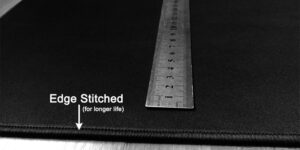
The Importance of Edge Stitching
Before we dive into the process, it’s important to understand why edge stitching matters. Mouse pads are typically made from a soft fabric surface bonded to a rubber or foam base. Over time, without reinforcement, the edges can fray or peel away, especially with constant wrist movement and frequent washing.
Edge stitching serves to secure the fabric to the base, preventing delamination and extending the life of the mouse pad. Additionally, it contributes to a premium feel and appearance, making it a must-have feature for gamers, designers, and professionals who demand longevity and performance from their gear.
Step-by-Step: How Edge Stitching Is Done
1. Material Preparation
Mouse pad production begins with the cutting and shaping of materials. The top layer—usually a smooth, high-density fabric—is laminated onto a rubber or PU foam base. Once the pad is cut into its final size and shape (rectangular, circular, or custom), it’s ready for stitching.
2. Thread Selection
Choosing the right thread is critical. Factories typically use nylon or polyester threads for edge stitching. These threads are chosen for their durability, elasticity, and resistance to fraying. Color is also coordinated to match or contrast with the mouse pad’s design, depending on the branding or aesthetic.
3. Sewing Machine Setup
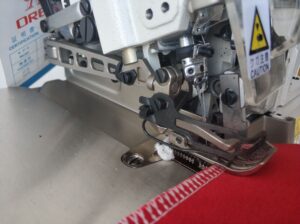
Specialized industrial sewing machines—often overlock or serger machines—are used for edge stitching. These machines are capable of sewing through the thick, rubber-backed pads without compromising speed or quality. Operators adjust the tension, stitch length, and needle type depending on the pad's thickness and material.
4. Precision Stitching
The stitching process requires high precision to ensure even spacing and tight seams. Skilled workers feed the pad slowly through the machine, guiding it with care around corners and curves. For round or custom-shaped pads, the process is more time-intensive, requiring manual adjustments to maintain uniform stitching.
5. Quality Control
After stitching, each mouse pad undergoes quality inspection. Workers check for any loose threads, missed stitches, or uneven stitching. If defects are found, the pad may be re-stitched or discarded depending on severity. This step ensures that only flawless products reach consumers.
6. Final Trimming and Packing
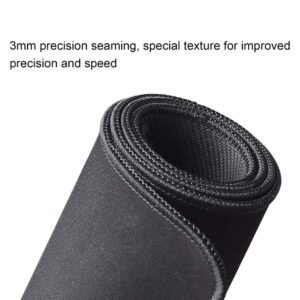
Any excess thread is trimmed, and the edges are sometimes lightly heated to seal and prevent future fraying. The mouse pads are then cleaned, packed, and stacked for shipment.
Conclusion
Edge stitching may seem like a small detail, but in the world of mouse pad manufacturing, every stitch truly counts. It’s a blend of craftsmanship and industrial precision, designed to deliver durability and style in one smooth, seamless finish. So the next time your mouse glides effortlessly across a stitched pad, remember the skilled hands and machines behind that perfect edge.

