
In a crowded peripherals market, a mouse pad factory needs a clear market positioning strategy to stand out and attract stable, profitable customers. Market positioning defines how your factory and products are perceived relative to competitors—whether you’re known for premium performance, low-cost volume, sustainability, or rapid customization. Clear positioning shapes product design, pricing, sales channels, and marketing, and helps the factory align operations with the customers it wants to serve.
Identify and segment target customers
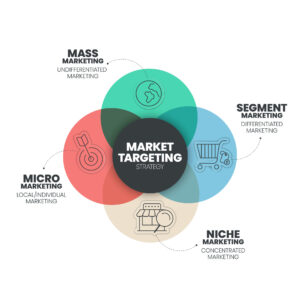
Start by segmenting the market. Key segments include gaming enthusiasts and esports teams, professional and creative users, enterprise and B2B buyers (OEMs, corporate gifting), and budget-minded mass-market consumers. Each segment values different attributes: gamers prioritize low-friction surfaces and durability; professionals may seek precision tracking and ergonomic designs; enterprises look for reliable supply, certifications, and cost-effectiveness. Choose one or two segments to focus on initially to avoid diluting resources and messaging.
Differentiate through product attributes
Once target segments are set, tailor product features to match their needs. Differentiation options include:
- Performance and materials: premium micro-weave cloths, polymer-coated surfaces, low-friction hard pads, and precision-tested sensor compatibility for gaming and pro segments.
- Durability and build quality: reinforced stitched edges, abrasion-resistant coatings, and spill-resistant surfaces appeal to users seeking longevity.
- Customization and small-batch agility: offering short-run custom printing, brandable corporate kits, or private-label services attracts agencies and B2B buyers.
- Sustainability: recycled or bio-based rubber bases, water-based inks, and minimal packaging target eco-conscious brands and retailers.
- Cost leadership: streamlined manufacturing, optimized materials, and high-volume runs allow competitive pricing for mass-market retailers.
Define a compelling value proposition
Condense your differentiation into a clear value proposition. Examples:
- “Precision surfaces engineered for pro gamers”—for high-end gaming-focused factories.
- “Custom-branded mouse pads delivered on demand”—for factories targeting corporate gifting and marketing agencies.
- “Eco-friendly pads made from recycled materials”—for sustainability-driven positioning.
The value proposition should guide every customer touchpoint, from website copy to sales pitches and catalog specs.
Optimize channels and partnerships
Distribution strategy should align with positioning. Premium performance products sell well through specialty retailers, esports teams, and influencer partnerships. Custom and corporate orders are best reached through direct B2B sales teams, trade shows, and promotional product platforms. For mass-market, build relationships with distributors, e-commerce marketplaces, and large retailers. Partnerships with OEMs or accessory brands can secure steady, large-volume contracts.
Operational alignment and certification
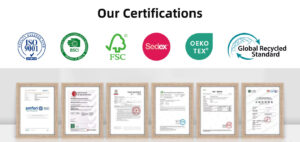
Your factory’s operations must reflect the positioning. High-performance and B2B customers expect consistent quality—invest in testing standards, quality assurance, and certifications (e.g., RoHS, REACH, ISO 9001). For sustainability claims, obtain verifiable certifications or third-party audits. If speed and customization are selling points, build flexible production lines and robust order management systems.
Branding and marketing
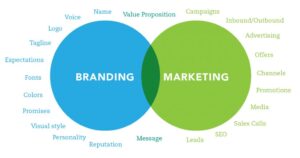
Communicate your positioning through brand identity and content. Technical whitepapers, performance test results, and influencer reviews validate premium claims. Case studies and client testimonials help B2B sellers. Sustainability-focused factories should publish material sourcing and end-of-life strategies. Use targeted trade shows, online ads, and industry forums to reach chosen segments.
Measure and refine
Track KPIs tied to positioning: average order value, repeat B2B contracts, margin by product line, lead time, and customer satisfaction. Use feedback and market trends to refine designs, pricing, and go-to-market tactics.
Conclusion
Market positioning is not a one-time decision but a strategic lens for every factory choice—from product engineering to sales channels. By identifying the right customer segments, differentiating through meaningful attributes, and aligning operations and marketing with your promise, a mouse pad factory can build a defensible niche and grow sustainably in a competitive market.

