
Setting the right price for a mouse pad requires balancing production costs, market demand, and competitor behavior. Effective pricing strategies not only maximize profit but also position your product correctly—whether as a premium accessory for gamers or an affordable option for bulk corporate orders. Here are several practical pricing strategies, grounded in market demand and competitor analysis, to help manufacturers and brands find the sweet spot.

1.Cost-plus with market sensitivity
Cost-plus pricing starts with calculating all unit costs—materials (rubber, textile, inks), labor, overhead, and packaging—then adding a target margin. This ensures profitability, but it should be tempered by market realities. If competitors offer similar quality at lower prices, blindly following cost-plus can price you out. Use cost-plus as a floor price and adjust based on competitor benchmarks and perceived value.
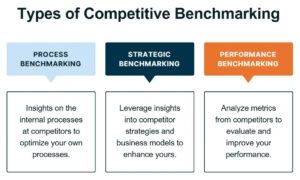
2.Competitive benchmarking
Analyze direct competitors across target segments (gaming, professional, B2B, budget retail). Collect retail and wholesale prices for comparable pads—consider material, features (stitched edges, spill resistance, RGB), and brand reputation. Benchmarking reveals price clusters and gaps you can exploit: for instance, if most high-end cloth pads sit at $30–$45, you might position a differentiated premium model at $50 with added features or choose a value performance model at $25 to capture market share.
3.Value-based pricing
Value-based pricing sets price according to the product’s perceived benefit to the customer rather than solely on cost. For gaming and pro-skill segments, perceived benefits—improved tracking, precision, durability—allow higher pricing. Demonstrate value through performance tests, influencer endorsements, and warranties. If your pad demonstrably increases control or lasts significantly longer, customers will pay a premium, and you can command higher margins.
4.Tiered product lines
Offering a tiered lineup—budget, mid-range, and premium—lets you capture a broader market. Use cost-efficient materials and simplified packaging for entry models sold at low margins but high volume. Mid-range pads balance price and features for mainstream consumers. Premium pads, with advanced materials, proprietary coatings, or brand partnerships, target enthusiasts who tolerate higher prices. Tiering also reduces direct price competition and supports upsell strategies.
5.Dynamic and promotional pricing
Monitor demand signals (seasonality, sales velocity, inventory levels) and competitor promotions to run timely discounts or limited-time bundles. Dynamic pricing tools can adjust B2B quotes and marketplace listings in response to competitor moves. However, frequent deep discounts can erode brand value—reserve promotions for clearance, holidays, or strategic customer acquisition
6.Penetration vs. skimming
For new product launches, choose between penetration pricing (low initial price to gain market share) and price skimming (high initial price targeting early adopters). Penetration works well when the goal is rapid volume and retailer adoption. Skimming suits highly innovative or patented pads where early buyers accept a premium. Consider distribution channels and long-term margins when picking a strategy.
7.B2B and volume pricing
For corporate buyers and OEMs, volume discounts are expected. Structure tiered pricing—e.g., 1–499 units, 500–2,499, 2,500+—with deeper discounts at higher quantities. Ensure volume pricing still covers variable costs and contributes to fixed cost recovery. Offering customization or private-label options at higher per-unit prices can boost margins on large contracts.
8.Monitor competitors and adjust
Continuously track competitor launches, materials, and promotional patterns. Use mystery shopping, marketplace monitoring, and retailer feedback to stay informed. When competitors cut prices, assess whether to match (protect market share) or differentiate through added value.
Conclusion
Pricing mouse pads effectively means combining cost awareness with careful reading of market demand and competitor positioning. Use cost-plus as a baseline, apply value-based adjustments for differentiated products, and employ tiered offerings to reach multiple segments. Dynamic tactics and disciplined volume pricing support both short-term goals and long-term brand health. Regular competitive monitoring ensures your pricing remains aligned with market realities while protecting margins and customer perception.

