
In the quest for the "end-game" desktop setup, enthusiasts have traditionally toggled between two choices: the classic soft cloth pad and the rigid plastic hard mat. While both have their merits, the pinnacle of peripheral surface technology has shifted toward a new, elite material: Tempered Glass. No longer just a niche product for high-stakes professional gamers, the glass mouse pad is rapidly becoming the gold standard for anyone seeking a permanent, high-performance solution for their digital interface.
Engineered for Speed: The Physics of Frictionless Motion
The primary appeal of a glass mouse pad lies in its physics. Traditional cloth surfaces, regardless of the weave density, eventually suffer from "static friction" or "stiction"—that initial resistance you feel when trying to move your mouse from a standstill. This can lead to micro-stutters that disrupt precision during high-stakes gaming or pixel-perfect graphic design.
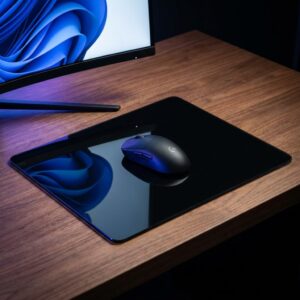
A tempered glass surface is virtually frictionless. It provides a level of glide that is impossible to replicate with textiles. Because the surface is perfectly flat and rigid, the feet (skates) of your mouse glide across it with consistent resistance from edge to edge. Furthermore, unlike cloth, glass is immune to humidity. While a humid afternoon might make a traditional cloth pad feel "muddy" or slow, a glass pad remains identical regardless of the weather. This environmental consistency is the secret weapon for users who demand predictable, repeatable performance every time they sit at their desk.
Built to Last: The Durability and Maintenance of Tempered Surfaces
One of the most frustrating aspects of high-end cloth mouse pads is their limited lifespan. Within 6 to 12 months, the fibers begin to fray, oils from the skin settle deep into the weave, and the "glide" begins to degrade unevenly across the surface. A tempered glass pad, by contrast, is a lifelong investment.
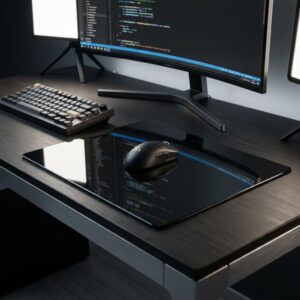
Maintenance is where the glass pad truly shines in a lifestyle context. Because it is non-porous, dirt and sweat cannot penetrate the surface. Cleaning is as simple as a quick spray of glass cleaner and a wipe with a microfiber cloth. This brings the pad back to its original "out of the box" state in seconds, a feat that is impossible with fabric. Additionally, the durability of modern tempered glass is remarkable; these pads are designed with rounded, polished edges for comfort and are heat-treated to withstand the rigors of daily use. They don't warp, they don't peel, and they don't fade, making them the most sustainable choice for a minimalist, premium workspace.
Conclusion
Upgrading to a glass mouse pad is more than just a stylistic choice—it’s a commitment to performance and longevity. While the initial investment may be higher than a traditional cloth mat, the combination of unparalleled speed, environmental consistency, and effortless maintenance ensures that it will be the last mouse pad you ever need to buy. For the independent station owner looking to offer a truly premium experience, glass represents the cutting edge of modern desktop aesthetics and engineering.

